
Surrey to become ‘a city of cities,’; new transit plan needed to address growth
East-west connections a vital part of developing transit in a city that may surpass Vancouver’s population as soon as 2030

If you plan it, hopefully there will be enough money in the budget to build it.
That’s the mantra Surrey is following on a first-of-its-kind partnership with TransLink, a city-led transit plan that will emphasize the importance of making new rapid transit routes within Surrey to manage a drastic population increase.
The city is in desperate need of a new transit plan — which was last developed by TransLink in 2007 — said Rafael Villarreal, director of transportation, at a council-in-committee meeting in the fall.
The city looking to present a detailed transit needs report to council by the end of the year, outlining the specific areas where transit is most needed in Surrey. The framework will also be an important tool to present to TransLink, an organization that has experienced significant funding gaps in recent months.
“It’s really hard to get around in Surrey if you need to use transit,” Villarreal said.
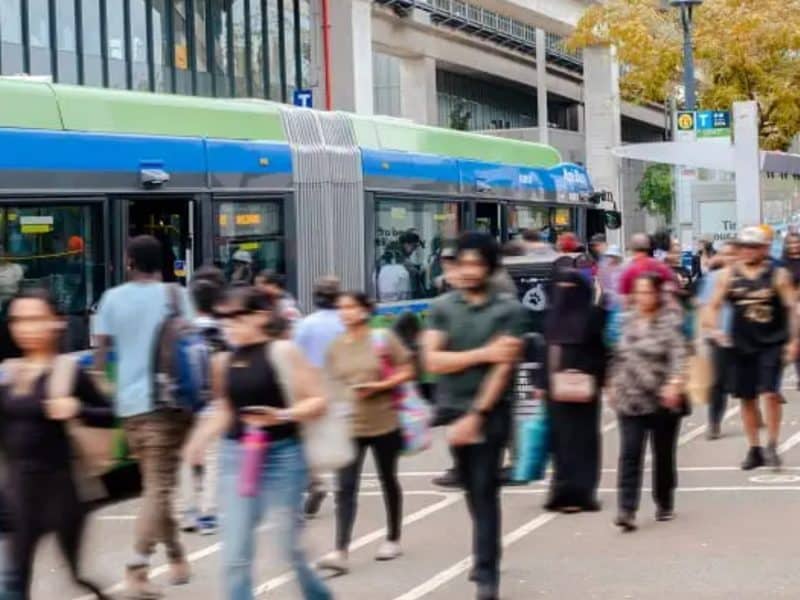
Surrey is home to 13 of the top 20 busiest bus routes in Metro Vancouver. And the entirety of the top five routes with the highest percentage of overcrowding — the 345, 323, 335, 321 and 393 bus lines — are all based in Surrey, according to the city’s data.

It’s an issue largely due to a lack of east-west travel options within Surrey, and a focus on connecting the city with Vancouver.
“Historically, travel patterns have been moving people from the suburbs to Vancouver,” said Villarreal, adding that a lack of east-west routes forces people to take north-south options, which places a strain on those transit lines.
However, the city’s population has risen by more than 200,000 people since the last transit plan was introduced 17 years ago, leading to a change in travel habits.
By 2050, the city envisions the neighbourhoods of City Centre and Newtown hosting more than 200,000 people. South Surrey, Cloverdale, Fleetwood and Guildford are also expected to have more than 100,000 residents — all within a city that may ultimately have close to one million people within the next 25 years.
“Surrey is growing, and it’s growing fast,” Villarreal said. “These communities are almost going to be cities on its own. We’re going to be a ‘city of cities.’”


Many residents are taking more trips within the city’s borders, Villarreal said. For example, roughly 77 per cent of trips within Surrey end in Surrey, according to 2017 data from TransLink. But the connections between neighbourhoods isn’t as cohesive as it is to get to other nearby cities like Richmond or New Westminster.
It takes residents who live in the Fraser Heights neighbourhood about 24 minutes to get to New Westminster via bus and SkyTrain, Villarreal said, compared to the over one hour it would take people in the same community to travel to Cloverdale.
Another example he cited was the roughly 50 minute discrepancy between travel time for Newton residents who travel to Richmond-Brighouse (37 minutes) and Campbell Heights (one hour and 28 minutes).
“That’s a challenge,” Villarreal added. “This is an example of how not having transit that is very competitive is not going to let us compete as a city.”
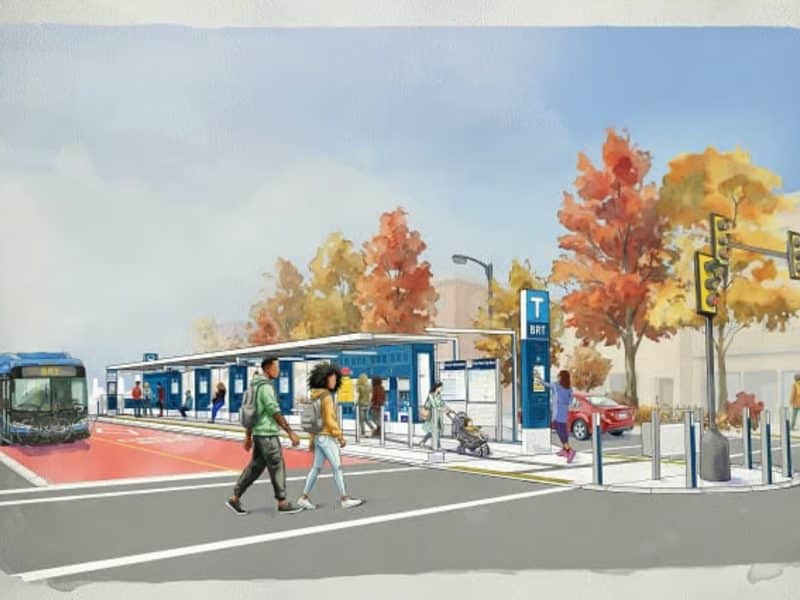
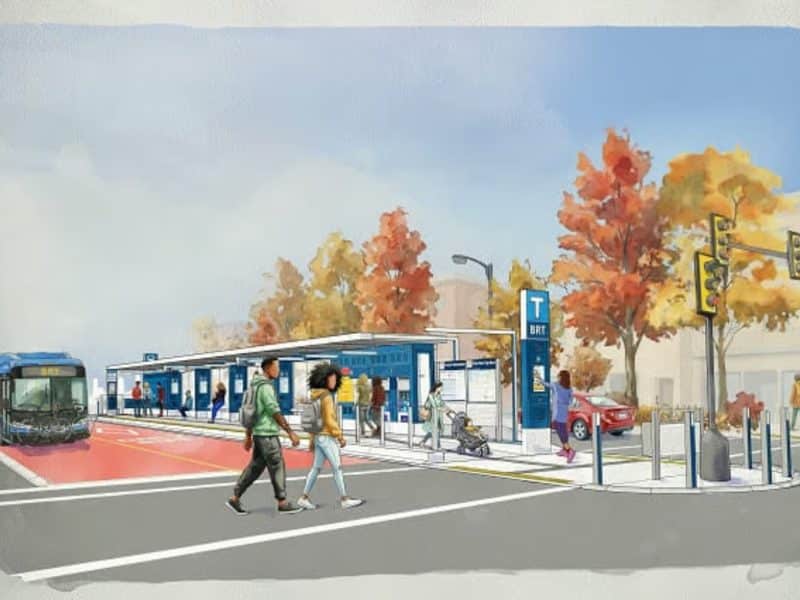
The emphasis on improving neighbourhood connections in Surrey comes as the city prepares to welcome one of three new Bus Rapid Transit (BRT) routes in the Lower Mainland, and a SkyTrain extension to Langley in the coming years.
If all goes to plan, Villarreal said, construction on the BRT will begin in early 2026. The Surrey-Langley SkyTrain is expected to be complete in 2028.
Improving transit within Surrey will be paramount to ensuring the city gets the most out of those transit additions.
“Our neighbourhoods are not connected,” Villarreal said. “We need to make sure we’re well connected to key destinations.”
Coun. Harry Bains one of the councillors who said there was more attention to transit investments in communities north of the Fraser River, despite the population expected to increase in southern cities like Surrey.
“There seems to be a big focus on transit on the north shore,” Bains said. “Surrey is so far behind.”
The north shore, specifically, is also a region that has been prioritized to have a BRT line — like Surrey — and one where researchers have looked at implementing a new SkyTrain route in recent months.
Communities in that corridor also completed a plan in 2012 that aimed to increase transit service in north shore by 50 per cent over the next two decades.
In a statement published after the meeting, Mayor Brenda Locke also highlighted the importance of improving transit options in Surrey.
“With our rapid growth, we cannot continue to rely on a transit system that fails to meet our residents’ needs,” she wrote. “Surrey is long overdue for a robust transit network that connects neighbourhoods within our city.”
The city is expected to develop a plan this spring and summer, before reporting back to council in fall 2025.
Author

Comments (0)
There are no comments on this article.