
Group hosts Surrey event to find better ways to fund transit
Will the public actually support these funding models?
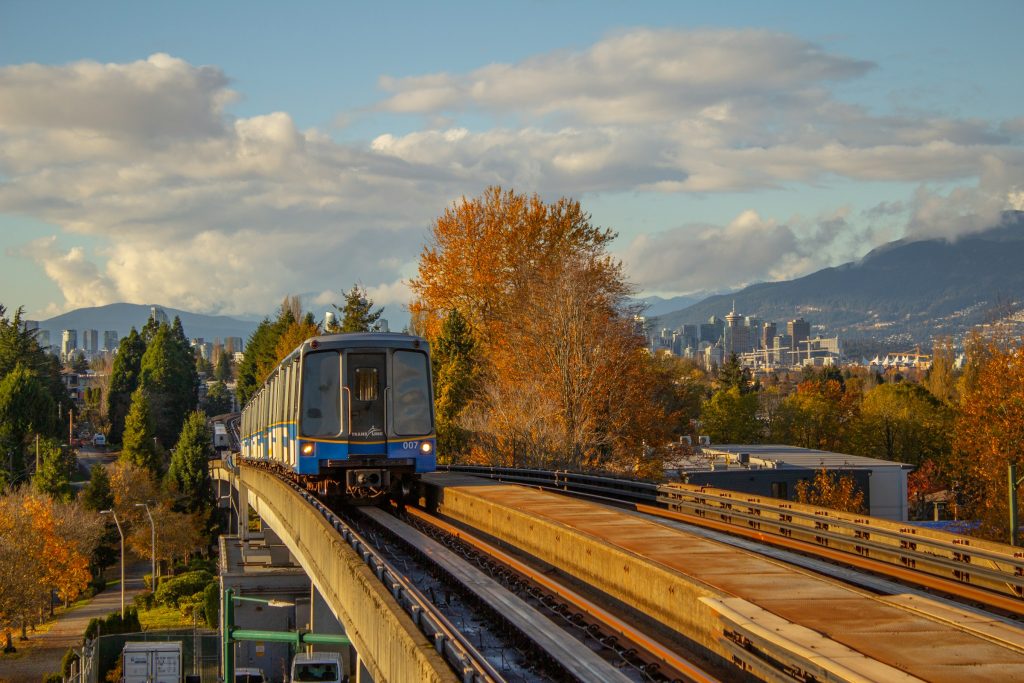
A group that represents the interests of transit riders is hosting an event in Surrey that aims to find the best model for funding transit projects into the future.
The group Movement is hosting Transit’s Next Top Funding Model on Nov. 14 at the 400-seat theatre at SFU Surrey.
The event begins with a competition involving teams pitching their ideas on how transit should be funding in Metro Vancouver. This will be followed by a talk from transit expert Anna Zivarts and then an evening fundraiser. (More details can be found here at topfundingmodel.ca.)
Cash prizes are being offered to contestants for their ideas.
The event was spurred by a funding crisis – a “fiscal cliff,” according to Movement – earlier this year in which TransLink warned of massive cuts to transit service if new money couldn’t be found. TransLink saw a reprieve through a combination of property tax increases, deficit spending and a one-time funding injection from the province.
But that leaves questions about future transit funding.
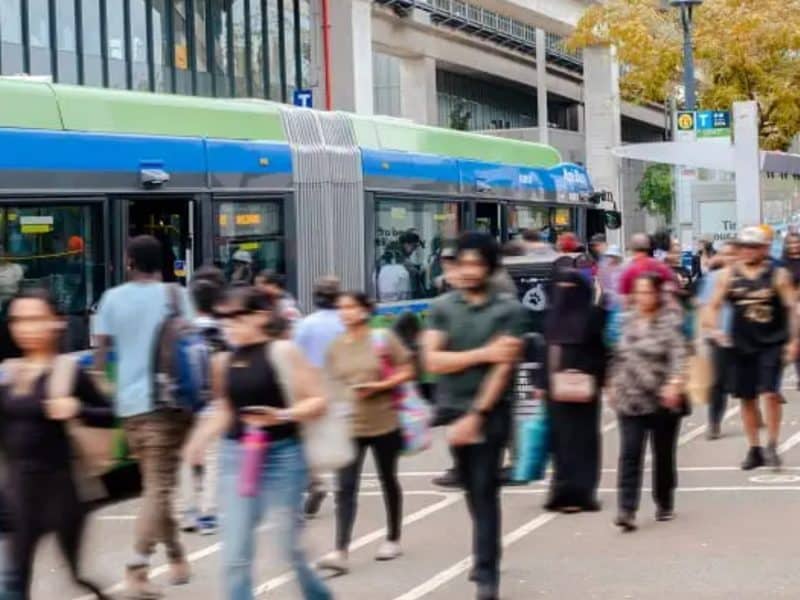
“Transit cuts would have been devastating, but the status quo isn’t exactly peachy either,” said Denis Agar, executive director of Movement. “Metro Vancouver has grown quickly in the last five years, but transit service hasn’t been keeping up. The result is overcrowding and passups in Surrey, significant cuts in Vancouver, and poor frequency in Langley. In all three situations, people are forced to rely on rides from family, or cars they simply can’t afford. This contributes to rising congestion and pollution.”
Which potential funding tools will be considered?
- Movement offered several examples that might be considered by the competitors:
- Decongestion Charge – Earlier this year, New York City introduced a US$9 charge to drive into the part of the city that is best served by public transit.
- Land Value Capture – Transit investments can boost property values, and in cities like Portland, the expected increase in property tax revenue was used to fund the initial investment.
- Sales Tax – Many American cities charge between 0.5% and 1% sales tax to fund transit
- Vehicle Levy – Seattle charges a vehicle levy based on the estimated value of the vehicle.
- Income Tax – B.C. currently has the lowest income tax rate of any province for those earning $150,000 or less.
- Eliminating the Homeowner Grant – In Canada, homeowners have roughly double the income of renters, yet BC offers a $1 billion/year grant that only homeowners can access (as long as their home value is under $2.1m). No other province offers this.
- Wealth Tax – In Spain, for example, any individuals’ assets over about €1m are taxed.
- Land Value Tax – While property taxes apply to the value of the building and the land, a LVT applies only to the value of the land. Supporters (including those who created the game Monopoly) believe that this is a way to encourage more walkable and transit-friendly communities and encourage development on vacant lots.
TransLink’s 2022 Access for Everyone plan proposes a doubling in transit service over 10 years, said Movement.
“This plan remains largely unfunded and undelivered. This doubling of transit service would have huge repercussions for regular riders,” Agar said.
It would:
- Tackle overcrowding and passups.
- Provide 24-hour bus service on more corridors.
- Add transit in currently un-served neighbourhoods.
- Increase frequency to reduce wait times.
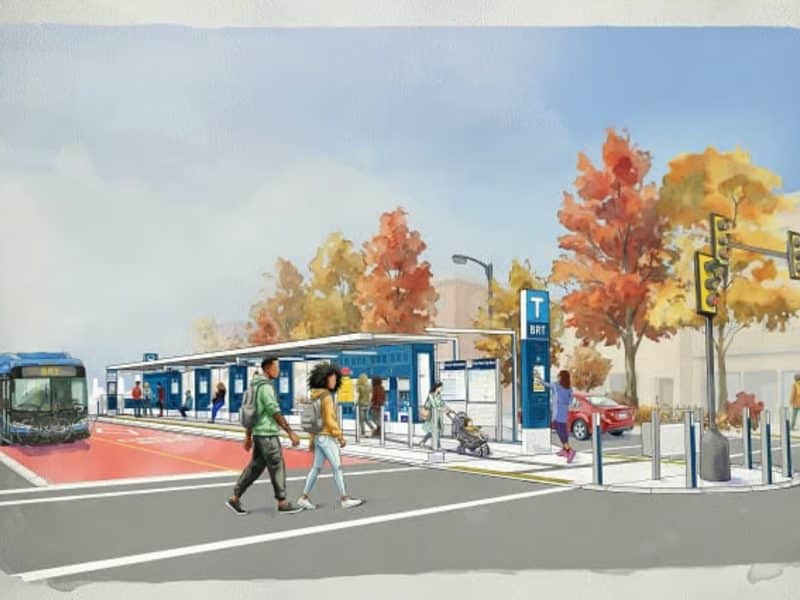
- Fund 9 new Bus Rapid Transit lines.
- Boost HandyDART service by 60%.
- Build SkyTrain to UBC and the gondola to SFU.
Movement is also calling for funding to finally launch a Low Income Fare Pass.
“Metro Vancouver is one of the only major regions in North America that does not offer discounted transit fares for adults with low incomes,” said a Movement statement. “While a transit pass costs up to $200 per month here, a qualifying Calgary resident pays as little as $6/month. We know that transit plays an essential role in accessing healthcare, employment, and family. It should be accessible to all, regardless of their income. TransLink estimates such a program could cost $60-70 million, and significantly reduce fare evasion.”
Author

Comments (0)
There are no comments on this article.