
How the Conservatives won Surrey and how the NDP lost their footing

The Conservatives saw a landslide victory in B.C. this weekend — Surrey, previously considered a battleground between the two main parties, had all 10 ridings turn blue.
And unlike the 2024 provincial election where many ridings were extremely close — the NDP notched one victory by just 22 votes — this year the Conservative candidates beat out their opponents with comfortable margins.
However, Surrey used to vote fairly consistently for the NDP. In 2017, six ridings went to the NDP while the others were won by the former B.C. Liberal party. Similarly in 2020, the NDP again won six ridings, with one going to the Conservatives and the rest to the Liberals.
Previously, the NDP used to connect with Surrey’s working class population through unions and activists. But as Surrey’s middle-class grew, that connection may have dwindled and residents may view their economic interests more aligned with the Conservatives.
But the Conservatives’ decisive win in Surrey may have less to do with the party winning over more voters and instead with the NDP losing confidence from its voter base.
Less than half of eligible voters cast a ballot this year — a 10 per cent drop from the 2024 election.
Overall, both the Conservatives and NDP lost votes compared to the last election. The Conservatives received about 50,000 fewer votes, but the NDP received roughly 274,000 fewer votes.
This trend was reflected in Surrey too. Across both elections, the Conservatives received 3,000 fewer votes in the city. The NDP, however, saw a staggering drop of roughly 33,000 votes.
Like most of the province, it seems Surrey residents who usually vote NDP, but were frustrated with the party’s track record, were not actually moved by the Conservative platform and instead chose not to vote.

Any party in power for nine years comes with baggage, but Surrey residents may have felt acutely ignored by the NDP.
Despite Surrey having around the same population as Vancouver, the city has received significantly less support to expand and build critical infrastructure.
Surrey has only one hospital — Vancouver has six. Surrey has more portables at schools than any other city in B.C. Only 27 per cent of Surrey residents have access to frequent transit, in comparison to 90 per cent of Vancouver residents.
Even the projects the NDP did get off the ground in Surrey have yet to reap any benefits for the community.
The new Cloverdale hospital, which first broke ground in 2023, is not set to open until 2030. The government helped fund the new SFU Medical School, but that does not immediately address the long wait-times to see a specialist or the lack of family doctors. The Surrey-Langley SkyTrain expansion is set to be completed in 2029, almost a decade after it was first announced.
The NDP have also been criticized for abandoning its more progressive promises when they eliminated the carbon tax, ended the drug decriminalization pilot program and stopped funding the non-profit that created the SOGI 123 resource.
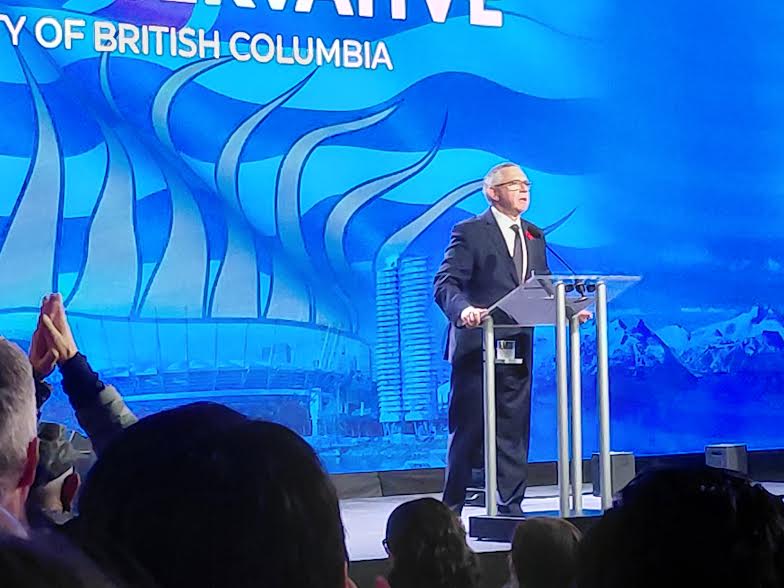
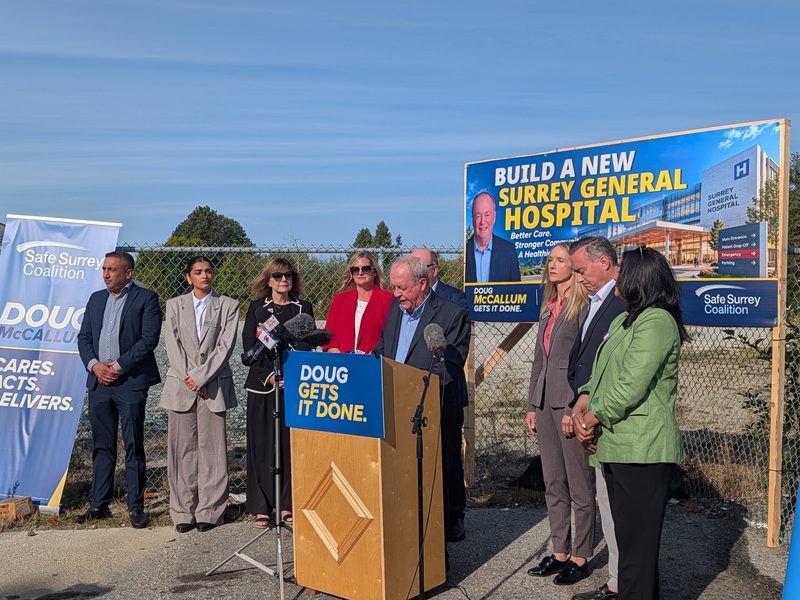
The Conservatives did not have this same baggage to carry. During his campaign, leader Lorne Doerkson made two big promises in Surrey — to build a Newton SkyTrain extension and a new hospital. The party also received an endorsement from newly-elected Mayor Doug McCallum who attended a Conservative rally a few days before the election. McCallum had also campaigned on these same promises and seemingly saw the Conservatives as best aligned with his own priorities for Surrey.
In comparison, the NDP only committed to work with the city to improve health care — not specifying what this would entail — and being open to discussions about developing a SkyTrain extension.
But it remains to be seen whether the Conservatives will deliver their promises to the city, especially with an unclear path to addressing the province’s current deficit.
Author


Comments (0)
There are no comments on this article.