
Tight Surrey election helped kick off misinformation campaign, says report
Garry Begg won by just 22 votes and that result was used to fuel election hysteria, says a new report
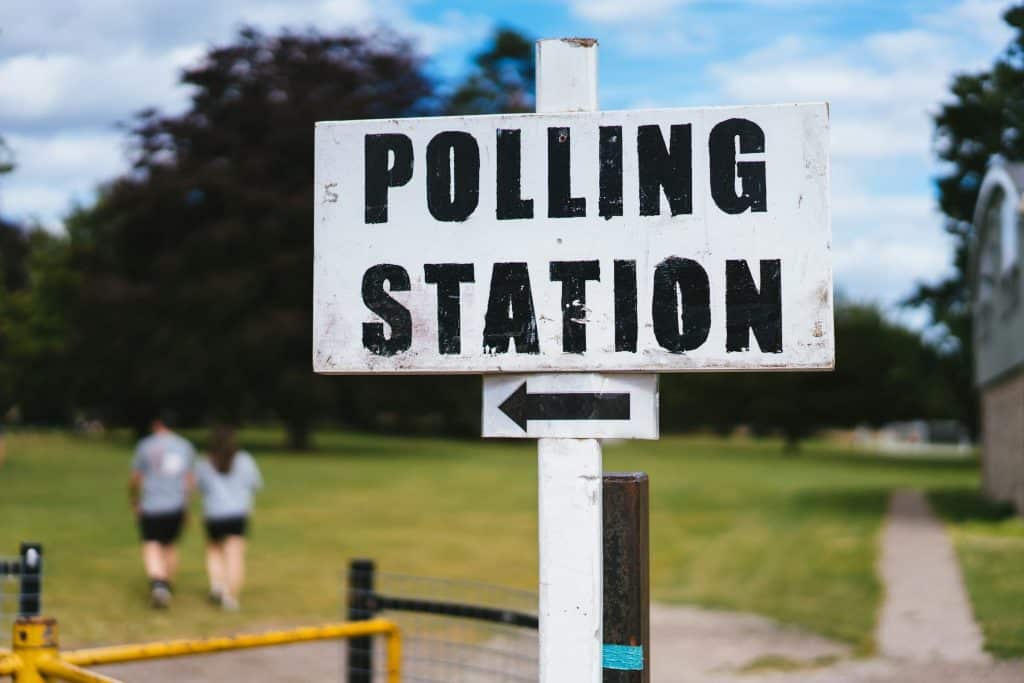
A new report on misinformation in connection with the 2024 B.C. election specifically highlights a tight race in a Surrey riding as helping kick off unfounded claims about the actions and integrity of Elections BC.
NDP MLA Garry Begg won Surrey-Guildford by just 22 votes, a result that was confirmed by a judicial recount.
But that result was of a concerted disinformation campaign that began the day after the election took place, according to a report by the B.C. Information Ecosystem Project. The report said the Surrey results, which are being challenged in court by Conservative candidate Honveer Randhawa, and the case of a missing ballot box in a Prince George riding became “rallying points for a broader set of fraud claims” that lack credible evidence, the report said.
The report found no evidence of foreign interference, but said that misinformation was rampart and there is a “new norm” with conspiracy theories about voter manipulation.
The report by researchers at the University of Toronto and Montreal’s McGill University said the worst of the theories was that the weather had been manipulated by the NDP through cloud-seeding, leading to heavy rainfall to keep people from voting. This theory was considered a “centrepiece of a voter suppression narrative” that has led to distrust of Elections BC and has left people “vulnerable to confusion, distrust and manipulation.”
The report said that controversy over the B.C. election didn’t start until the day after it took place.
“Two election administration issues helped fuel this distrust,” the report said.
In the Prince George–Mackenzie riding, Elections BC acknowledged that a ballot box containing 861 votes had not been initially counted, triggering a judicial recount. “Although the missing votes did not alter the result in the riding, the incident raised broader concerns about systemic reliability,” the report said.
In Surrey–Guildford, a discrepancy involving 14 uncounted votes emerged after the NDP had already been declared the winner. “These developments led BC Conservative leader John Rustad to call for an independent review, even as Elections BC maintained these were isolated human errors that had been swiftly addressed and transparently disclosed,” the report said.
“Both incidents became rallying points for a broader set of fraud claims that had been circulating in online forums and through partisan commentary, especially from ardent supporters of the BC Conservative Party. The narrative quickly expanded beyond procedural missteps. Allegations included breaches of the Election Act (such as voter privacy concerns) along with accusations of foreign interference, particularly from China. As demonstrated in our samples, suspicion also fell on the tools and technologies used in the election. Critics cast doubt on the use of tabulators to process ballots and questioned the legitimacy of mail-in and telephone voting systems, despite their longstanding use in B.C.”
The report said that disinformation campaigns also directly targeted Elections BC staff.
“Disinformation campaigns directly targeted Elections BC and its staff,” the report said. “False narratives accused the agency of bias or collusion, contributing to a growing erosion of trust. Pre-election polls, many of which were online only and not representatively valid, which differed from actual results, were also weaponized as supposed proof that outcomes had been manipulated. These concerns were often presented not as isolated questions but as part of a broader, conspiratorial claim that the election had been manipulated to favour certain parties or candidates (mainly the NDP),” the report said.
Social media channels such as X (formerly Twitter) saw the use of bots that helped stoke hysteria about the election.
The researchers spent months analyzing social media, election records, and also conducting surveys of voters about their thoughts on the election process. The report found no evidence of foreign interference in the election, nor any evidence supporting the conspiracy theories.
“Despite the volume of these claims, no credible evidence emerged to support them. Elections BC and independent observers consistently affirmed the integrity of the electoral process, and the errors that had occurred were minor, transparently addressed, and inconsequential to final outcomes. As mentioned earlier, trust in Elections BC remained stable and high throughout the election period. (Elections BC was the most trusted source for election information by a broad margin). Nevertheless, the atmosphere of mistrust lingered. While most political leaders initially accepted the results, BC Conservative leader John Rustad later claimed (but failed to provide evidence for) that non-Canadian citizens may have voted.”
Author




Comments (0)
There are no comments on this article.