
Surrey developer catch a break as Metro Vancouver slashes DCCs
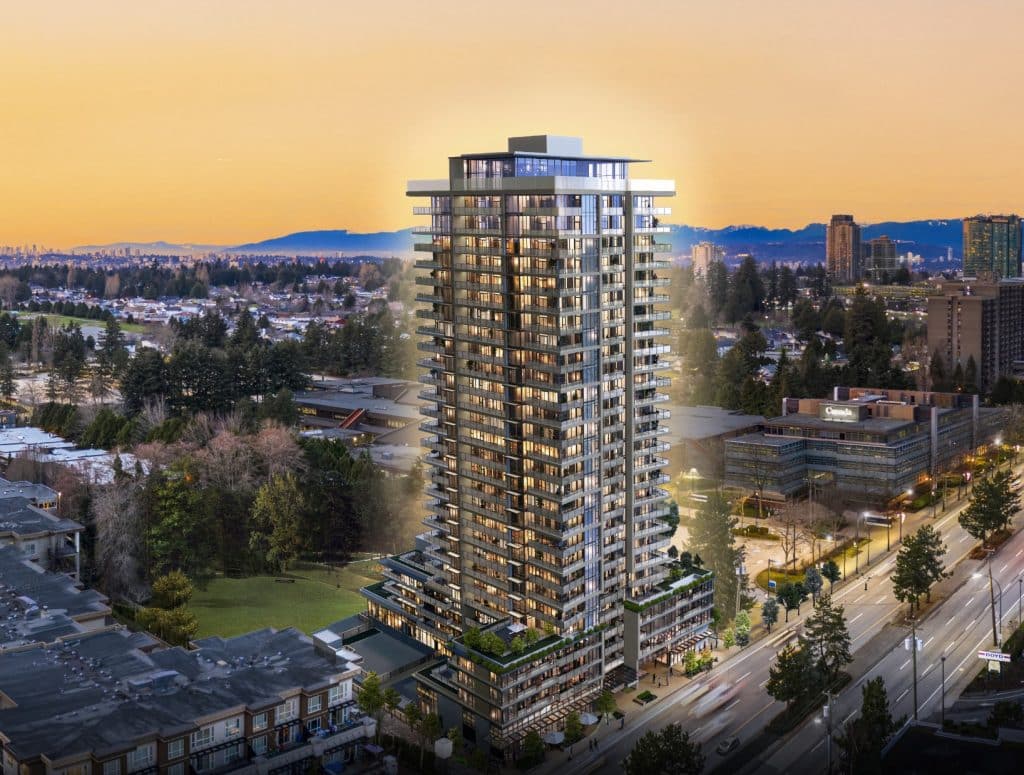
Surrey developers are getting another break on their costs as Metro Vancouver has joined the federal and B.C. government in reducing development cost charges.
Metro Vancouver announced it has rolled back its 2026 DCC rates to 2025 levels and lowered its 2027 rate increases.
“Metro Vancouver heard the feedback that we needed to take action to help support new housing construction by lowering development cost charges,” said Mike Hurley, chair of the Metro Vancouver Boards. “At the same time, we must continue investing in the water and sewer infrastructure that growing communities rely on. These changes strike a balance between supporting new housing and ensuring growth contributes fairly to the infrastructure needed to serve it.”
What it will cost: Rolling back the 2026 rates and reducing the 2027 increase is expected to lower overall DCC revenue by $389 million over the next six years — $270.5 million for Greater Vancouver Water District, $75.5 million for Greater Vancouver Sewerage and Drainage District, and $43 million for regional parkland acquisition.
You will pay for the reductions: The boards opted to fund the anticipated gap for water and sewage growth-related projects through additional borrowing, while the gap for parkland acquisition will be added back to the annual household tax requisition.
Surrey Mayor Brenda Locke has been a critic of Metro Vancouver DCC rates, saying in March that previously planned DCC rate hikes were too much.
“We have been fighting Metro Vancouver — the City of Surrey has been a bit of a lone ranger on that, along with all of the people in the development industry — to try and challenge especially those DCC impositions that they’re putting on,” Locke said during a panel discussion.
“We have to all tighten our belt, and I hear the development industry is all tightening their belt and rightsizing and doing all the things that they need to do. Unfortunately, we’re not seeing the same thing with Metro Vancouver.”
In June, the feds announced nearly $1.6 billion over 10 years – matched by British Columbia for a total of up to $3.2 billion – to lower development charges for multi-unit housing by up to 50 per cent in priority communities, saving up to $40,000 per unit, and expand housing-enabling infrastructure such as water systems, wastewater systems, and local roads.
In April, the Metro Vancouver Regional District, Greater Vancouver Water District, and Greater Vancouver Sewerage and Drainage District boards introduced bylaws to lower DCC rate increases. Following public engagement in May and provincial approval in July, the boards gave final adoption to the amendment bylaws on July 24. The updated 2026 rates took effect immediately following final adoption.
Metro Vancouver will also slow the transition to a one-per-cent assist factor, so that it will reach one per cent by 2029 instead of 2027. The assist factor is the percentage of the growth costs that are funded from utility or user fees rather than DCCs.
Metro Vancouver collects DCCs from new development to help fund the critical regional water and wastewater infrastructure needed to accommodate growth. A small portion of Metro Vancouver’s DCCs also support regional park land acquisition.
DCCs can only be used for eligible growth-related infrastructure, helping ensure that development contributes to the costs of the infrastructure it requires.
Affordable rental housing and agricultural developments can receive development cost charge waivers if they meet certain criteria. Infrastructure not related to growth is funded by existing ratepayers and taxpayers.
Author


Comments (0)
There are no comments on this article.