
Surrey growing bike lanes faster than Vancouver: study
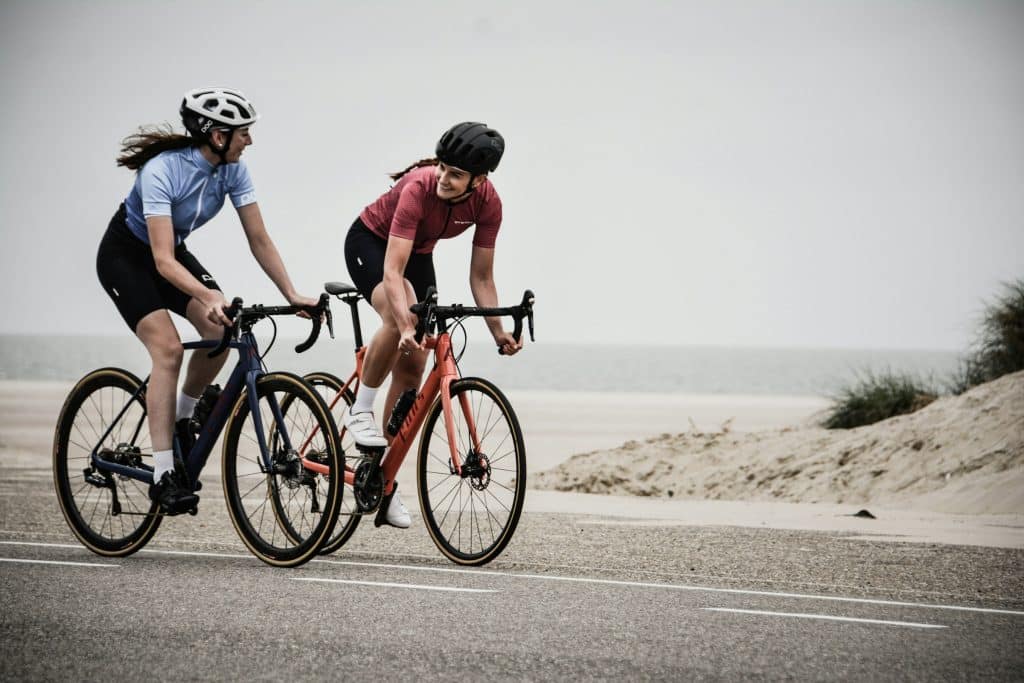
The City of Surrey added far more high-quality cycling infrastructure than even the bike-centric City of Vancouver, according to data from a new SFU study.
The study, led by health sciences professor Meghan Winters, found that between 2022 and 2024 Surrey’s percentage change in kilometres of bike lanes grew by nearly six per cent, compared to just .5 per cent in Vancouver.
Surrey’s number beat out Montreal and Ottawa, but was far behind Edmonton (39.6 per cent) and Brampton (22.3 per cent), two of the leading cities in Canada.
Surrey cyclists will also benefit soon when the Riverview Bridge fully opens with dedicated bike lanes connecting to the city’s network and giving safer access to New Westminster and beyond.
In their new study, the researchers used open-source data from OpenStreetMap for 2022 and 2024 to get a picture of how Canada’s cycling infrastructure had changed over that time.
They classified the infrastructure according to the Canadian Bikeway Comfort and Safety system, which categorizes routes as high, medium, or low, in terms of comfort and safety.
Key findings from the study include:
- Total cycling infrastructure grew from 23,502 kilometres to 27,098 kilometres, equating to 3,596 kilometres – that’s roughly the distance between Toronto and Edmonton.
- Multi-use paths accounted for 2,725 kilometres of new pathways, a 75.8 per cent increase in distance over two years. Multi-use paths are situated next to or away from roadways and are regarded as “medium comfort” for cyclists.
- Painted bike lanes along roads, deemed “low comfort”, increased by 492 kilometres, a 5.8 per cent increase in distance.
- Bike-only paths, one of the route types regarded as “high comfort”, increased by 49 kilometres, representing a 46.7 per cent increase in distance.
- Areas with more children and older adults saw less growth in cycling infrastructure.
While cities usually invest in cycling infrastructure in their downtown cores to support commuters or because there is more vehicle traffic, Winters says it’s important not to overlook everyday trips by bike.
“We know that work commutes are maybe a quarter of all the trips we make,” says Winters. “People make all sorts of trips – to school, to the grocery store or café, or for social reasons.”
Author

Related Articles


Surrey gangster linked to smuggling ‘contraband’ into prison using drones
Inmate was fighting move to maximum security prison

Comments (0)
There are no comments on this article.